 Buyer GuideLatest
How to Read an Amino Acid Powder COA
A step-by-step buyer checklist for batch identity, test methods, amino acid results and formulation properties.
Read Article → Buyer Guide
Free Amino Acids vs Total Amino Acids
Learn what each test result means and which COA details matter when comparing fertilizer ingredients.
Read Article → Formulation guide
Amino Acid–Chelated Trace Elements: Formulation Guide
A practical guide to amino acid–chelated Fe, Zn, Cu and Mn: chemistry, formulation variables, testing, compliance and supplier checks.
Read Article Application Guide
Can Amino Acid Powder Be Used in Hydroponics?
Suitability depends on the complete formulation. Learn what to check: solubility at stock strength, product-specific dosing, nutrient budget and compatibility testing.
Read Article Procurement Guide
Total Nitrogen vs. Organic Nitrogen: How to Read a COA
Learn what total, organic and amino nitrogen each describe on a COA, why methods and reporting bases matter, and what to ask a supplier before buying.
Read Article Procurement Guide
Amino Acid Powder Shelf Life & Storage: Buyer’s Guide
There is no universal shelf life for every amino acid powder. Learn how product-specific dates are assigned, how to protect unopened and opened bags, and how to investigate caking or older stock.
Read Article Application Guide
Amino Acid Powder Solubility: Testing & Mixing Guide
“Water-soluble” is meaningful only when the method is defined. Learn how to measure insoluble residue, use a jar test correctly, and troubleshoot real fertilizer tank mixtures.
Read Article Applications
Amino Acid Fertilizer for Vegetables: Practical Guide
Learn how to evaluate amino acid fertilizer for fruiting, leafy, root and greenhouse vegetables using product data, crop stage and local trials.
Read Article Applications
Amino Acid Fertilizer for Rice: Foliar Guide
Stage-aware, not stage-prescriptive: evaluate amino acid fertilizer on rice from tillering to grain filling with supported rates, calibrated spraying and strip trials.
Read Article Applications
When to Apply Amino Acid Fertilizer: Practical Guide
Learn how to time amino acid fertilizer by crop stage, plant condition, application method and weather—without relying on unsupported calendar rules.
Read Article Applications
Can You Mix Amino Acid Powder? Compatibility Guide
Labels first, then a proportional jar test with your actual water. A risk-screening table for NPK, urea, humic, seaweed, copper and pesticide tank partners.
Read Article Applications
How Long Does Amino Acid Fertilizer Take to Work?
No universal number of days: crop-safety checks at 1-3 days, treated-versus-control comparison at 3-7 days, and harvest data for yield claims.
Read Article Buying Guide
Is Amino Acid Powder Allowed in Organic Farming?
Learn how USDA NOP, OMRI, EU and JAS rules treat amino acid and protein-hydrolysate inputs—and what buyers should verify before purchase.
Read Article Raw Materials
Plant Source vs Animal Source Amino Acid Powder: Which Is Better?
Compound amino acid powder comes from plant protein (soy, corn) or animal protein (feathers, hide, fish). Compare amino acid profile, nitrogen, cost, organic certification and crop response — and see how the right choice depends on your market, certification and crop.
Read Article Logistics
Mix Multiple Fertilizers in One Container: Free Mixed-SKU FCL Consolidation
Source amino acid powder together with Fulvic Acid 50%, Super Fulvic Acid 90%, Seaweed Extract 30% and Potassium Ligno Sulphonate 60% in a single shipment. Free consolidation, competitive prices on the full basket; customs formalities follow the destination country and each product’s classification.
Read Article Turkey Market
Amino Acid Powder for Fertilizer in Türkiye: A Sourcing Guide
A sourcing guide for Turkish importers and formulators: grade selection, drip-irrigation solubility, documents, regulatory checks, HALAL, packaging and Incoterms.
Read Article Company Update
Everwell Bio Adds Production and Packaging Capacity at Its Suzhou Facility
Additional liquid-handling and automated bagging equipment are now operating at the Suzhou facility, adding scheduling flexibility and more consistent pallet preparation.
Read Article Buying Guide
How to Choose an Amino Acid Powder Grade for Fertilizer Formulation
Water-soluble amino acid powders are used in foliar fertilizers, fertigation products and compound nutrient formulations. The appropriate grade depends on amino acid concentration, nitrogen content and target formulation.
Read Article Crop Nutrition
Can Amino Acid Fertilizer Replace NPK? A Practical Evaluation Framework
Amino acid products complement a nutrient program — they do not replace NPK. A practical framework for evaluating them nutrient by nutrient through analysis and trials.
Read Article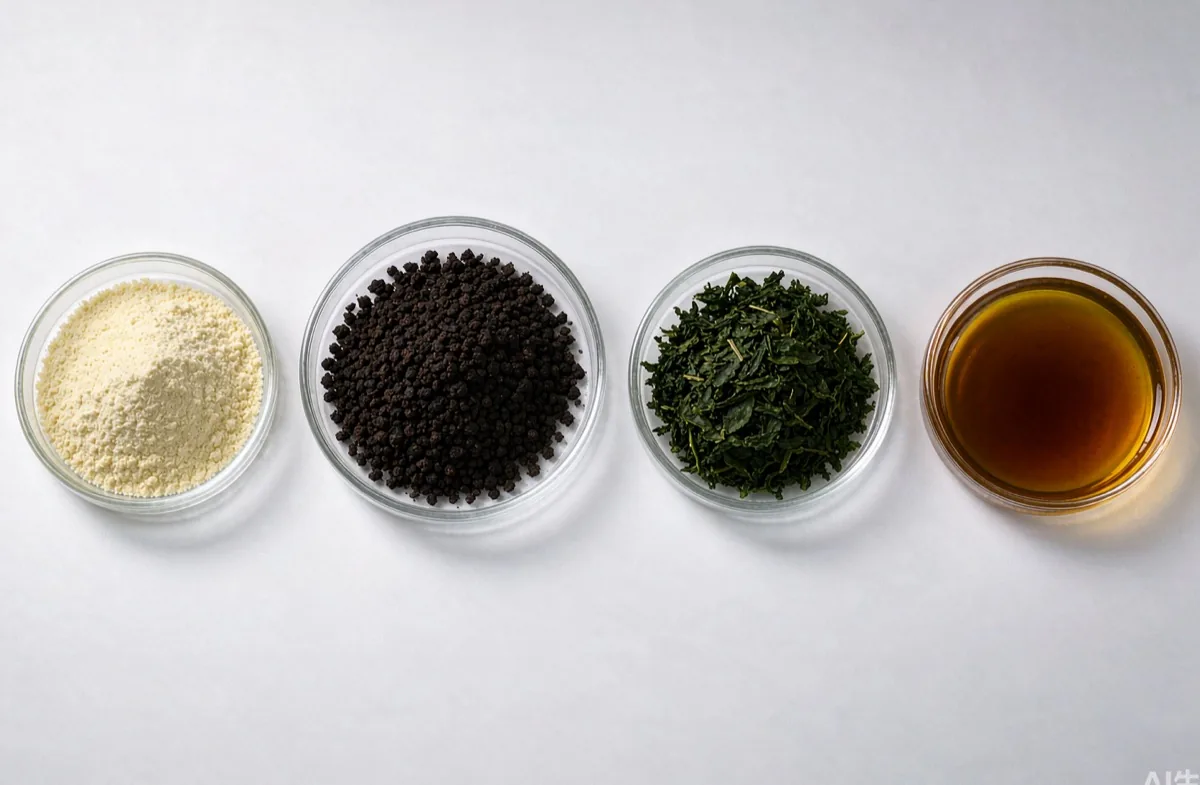 Biostimulants
Amino Acid vs Humic Acid vs Seaweed Extract vs Fish Hydrolysate: How to Choose
Amino acid powder, humic substances, seaweed extract and fish hydrolysate are not interchangeable. Compare them by composition, formulation role and buyer checks.
Read Article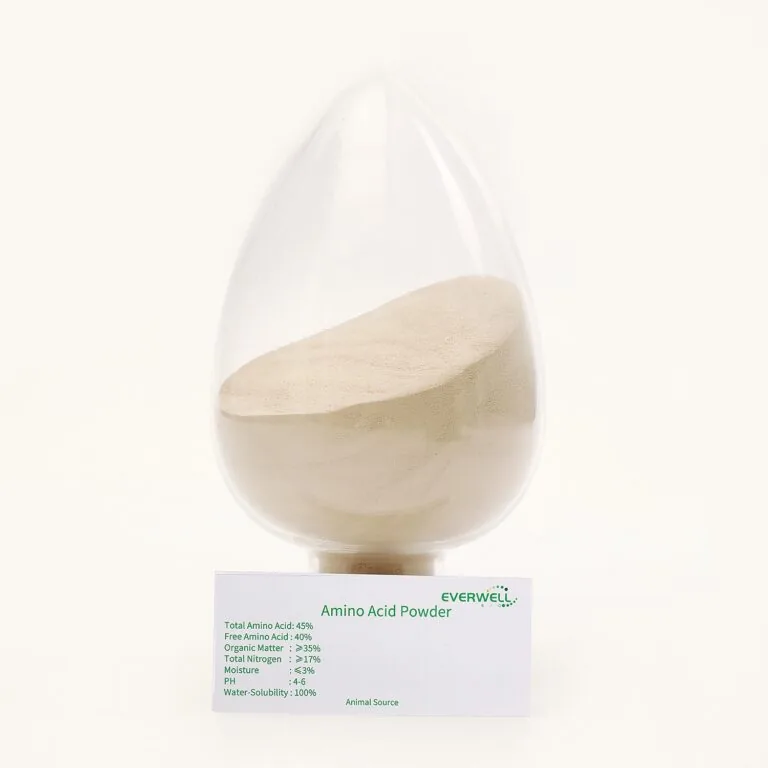 Formulation guide
Amino Acid 45 Explained: Composition, Uses and Buyer Checks
What a 45% total amino acid grade really is — how total and free amino acids differ, how the product is made, and what to test before formulation or field trials.
Read Article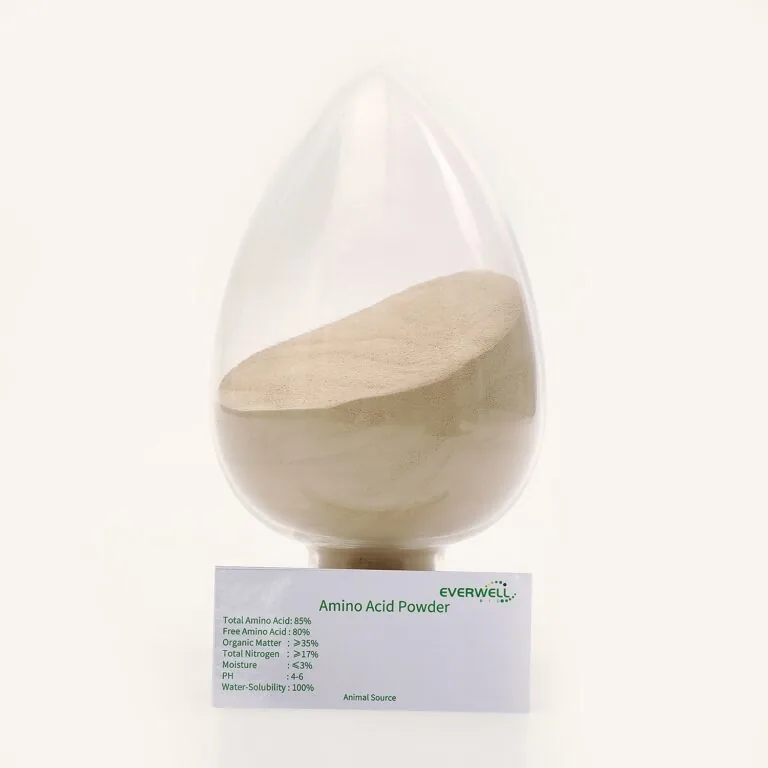 Formulation guide
Amino Acid 80 Explained: Composition and Formulation Use
An 80% total amino acid powder is a high-concentration formulation input. Learn the current specification, where the grade fits, and what to verify before purchase.
Read Article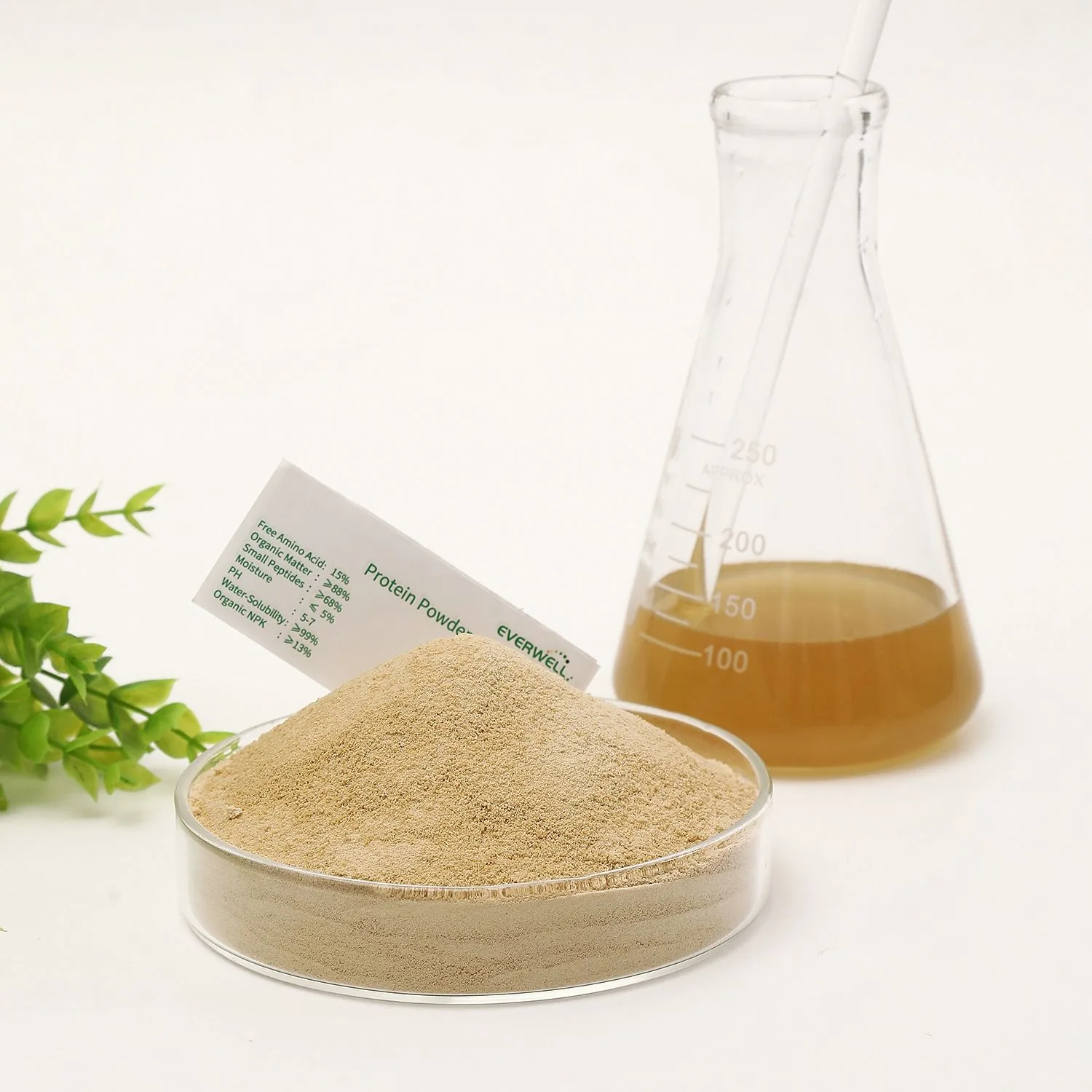 Formulation guide
Hydrolyzed Protein Powder: Composition, Uses and Compliance Checks
Hydrolyzed protein powder is a broad technical category, not a universal approval. Composition, potential uses and compliance checks for agriculture, feed and pet food.
Read Article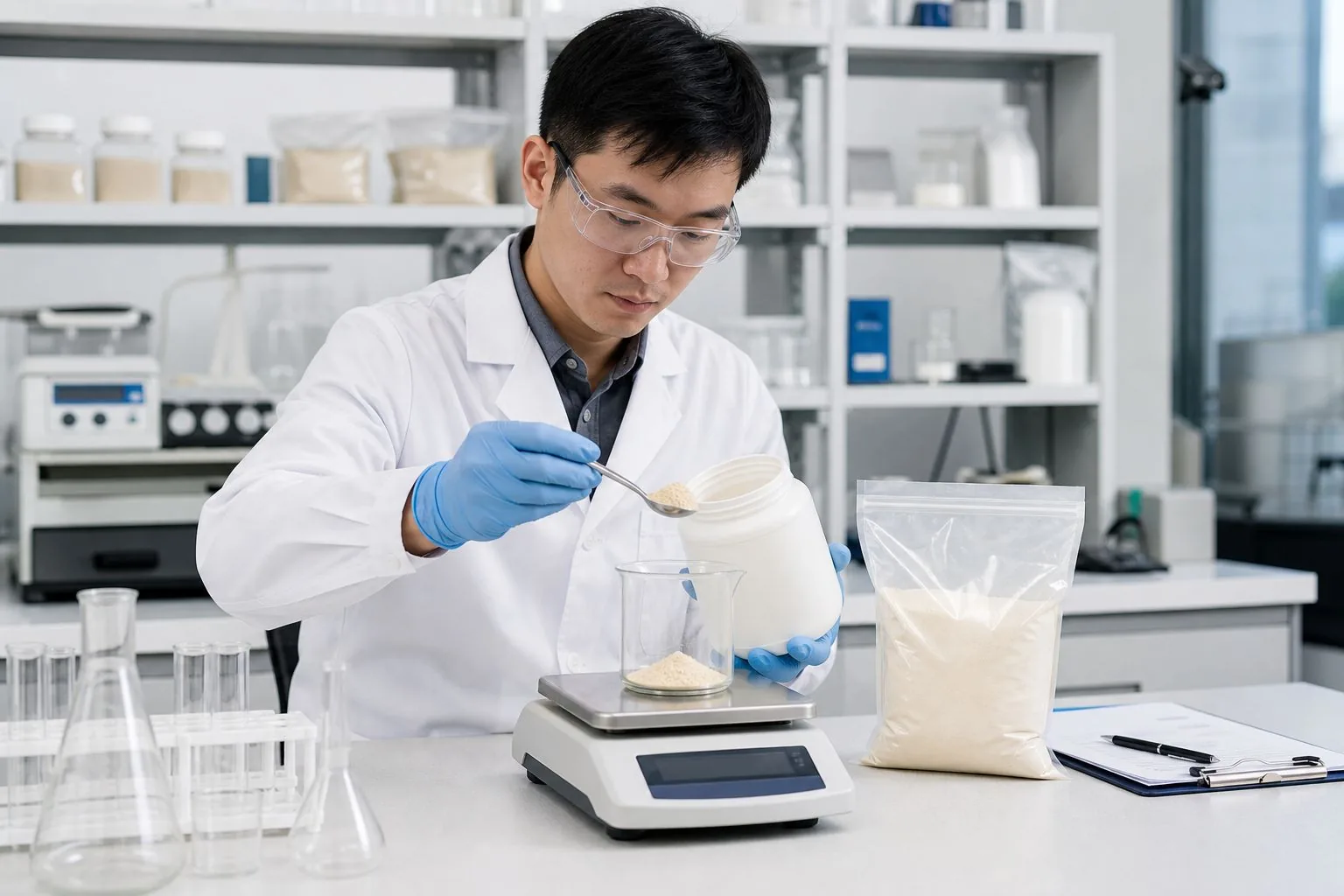 Procurement
What Documents Should You Request Before Buying Compound Amino Acid Powder?
At minimum: a current product specification or TDS, a representative COA, an SDS, packaging information, and a clear statement of the agreed order specifications.
Read Article Buying Guide
How to Choose 35%, 45% or 80% Compound Amino Acid Powder
Choose 35%, 45% or 80% by formulation target and verified data — comparing composition, formulation space, cost, solubility and the documents to request.
Read Article Formulation guide
Amino Acid 45 Fertilizer: Practical Advantages and Important Limitations
A practical look at a 45% total amino acid powder: where it fits in fertilizer formulations, what it cannot replace, and which specifications buyers should verify before ordering.
Read Article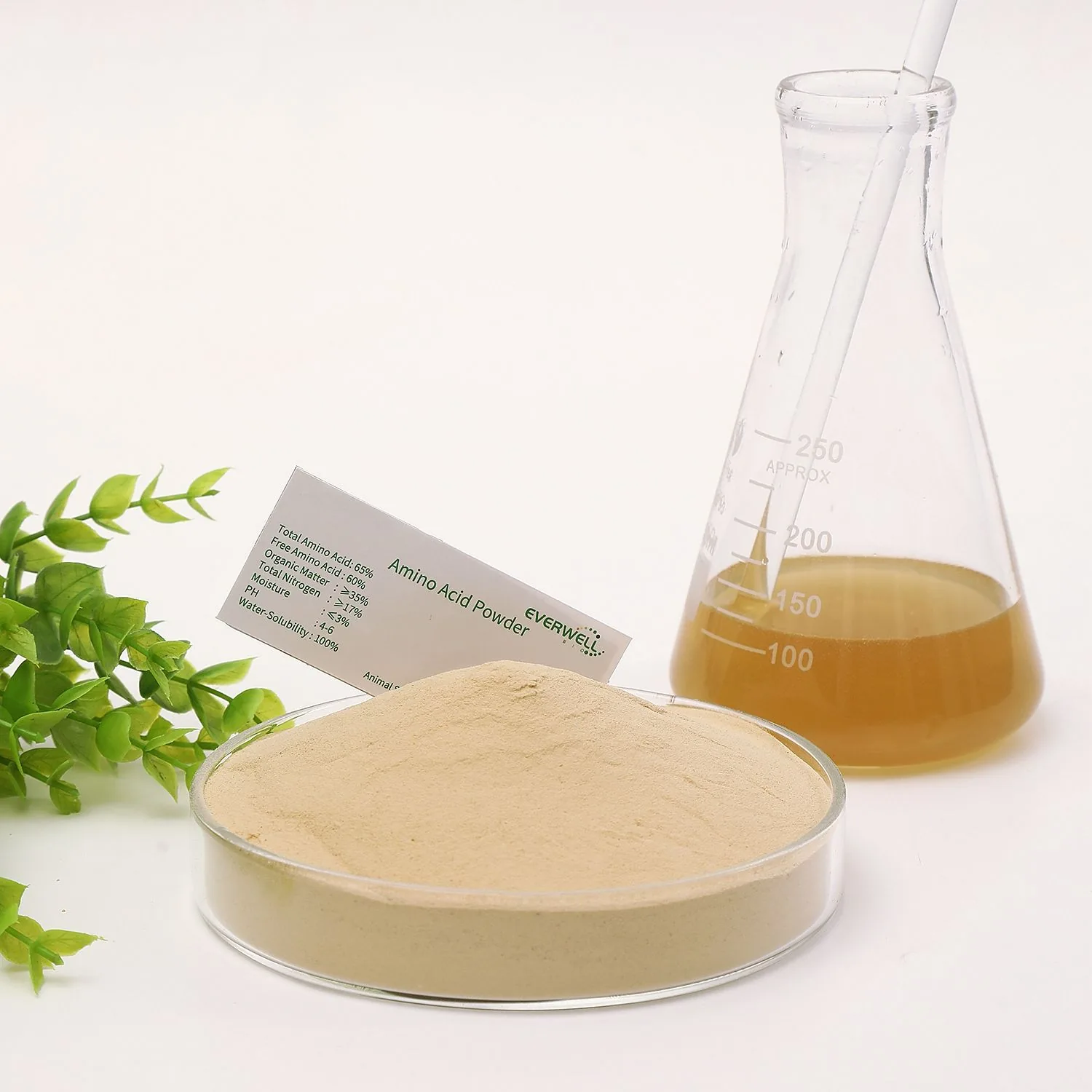 Basics
What Is Compound Amino Acid Powder? A Buyer’s Guide
How compound amino acid powder is produced, what the 35%, 45% and 80% grades mean, where it is used, and which specifications buyers should verify.
Read Article Applications
Compound Amino Acid Powder Applications: Practical Guide
Compare foliar, fertigation and soil applications, with product-selection, compatibility and field-trial checks for safer evaluation.
Read Article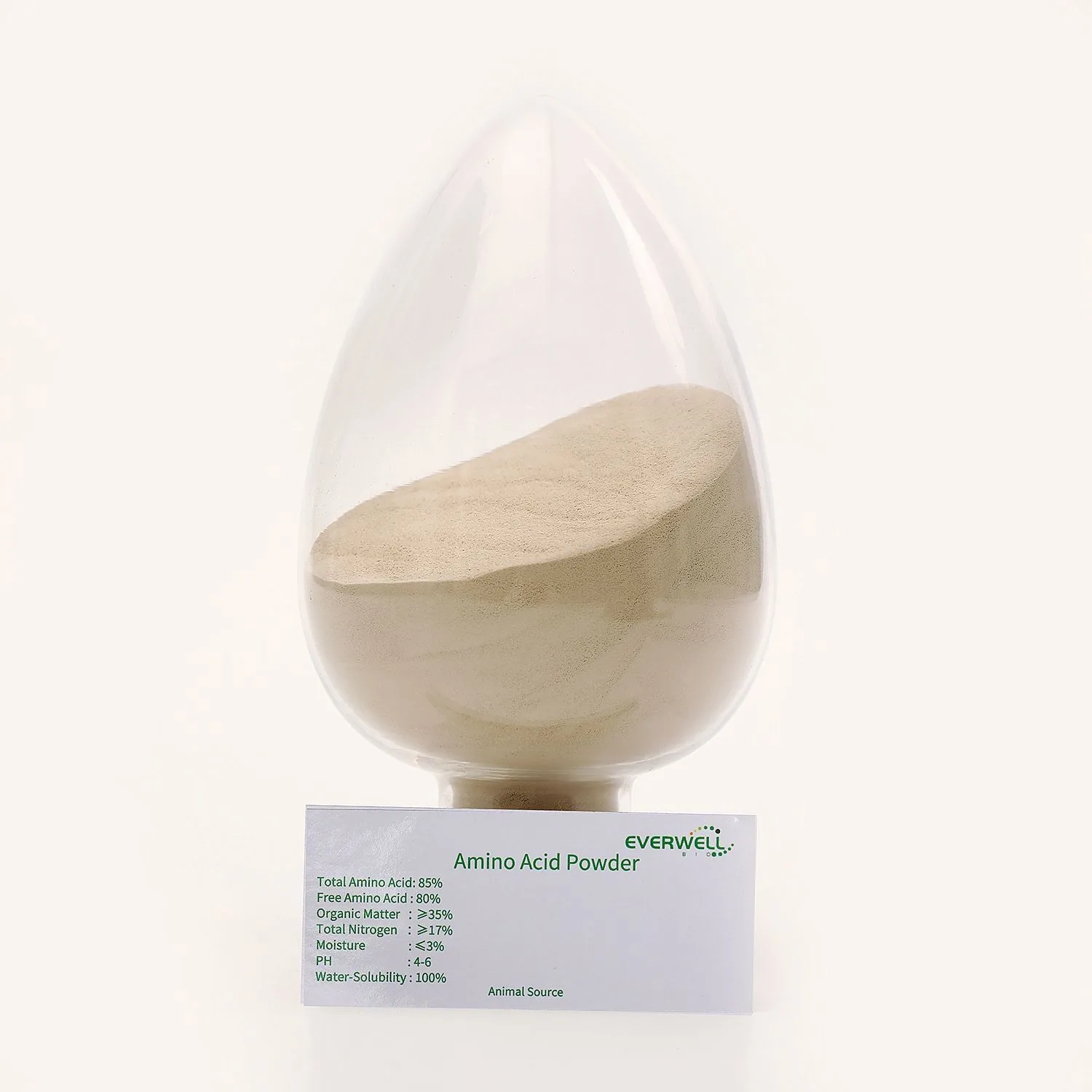 Basics
What Are the Benefits of Using Compound Amino Acid Powder as a Fertilizer?
Enhanced nutrient absorption and improved plant growth: amino acids act as chelating agents, improving the efficiency of nutrient uptake by plants.
Read Article Crops
Crops
Which Crops Benefit Most from Amino Acid Fertilizer?
While many crops respond well to amino acid nutrition, some show particularly strong results — from leafy vegetables and fruiting crops to tea and other high-value cultures.
Read Article Applications
How to Apply Compound Amino Acid Powder: A Trial and Safety Guide
A trial and safety framework for foliar, fertigation and root-zone application — starting from the exact product, water quality and crop-safety checks, not a universal rate.
Read Article Sustainability
Environmental Considerations When Using Compound Amino Acid Powder
Nitrogen loading, runoff, raw-material traceability, packaging and responsible use of protein-hydrolysate fertilizer inputs — an evidence-based environmental review.
Read Article Application Rates
What Is the Recommended Dosage for Compound Amino Acid Powder?
Dosage varies with crop type and growth stage — general guidelines for foliar spraying, fertigation and soil application across major crop groups.
Read Article